


oktt | Exploring the Depth: The World of Strategy Games and Their Endless Appeal
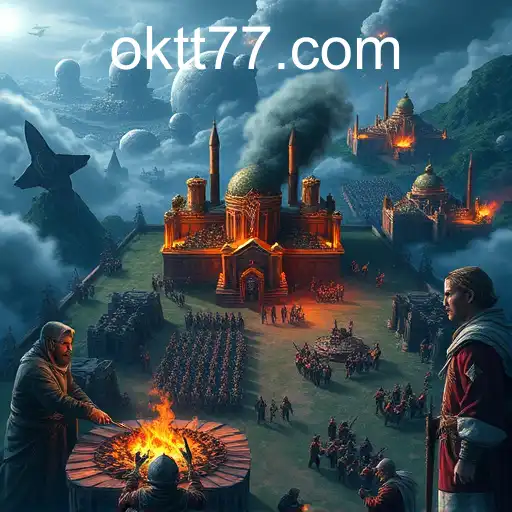
Strategy games, a genre beloved by many, offer players an immersive experience that blends both tactical planning and strategic foresight. These games, often admired for their complexity and intricacy, demand players think several steps ahead, accounting for a myriad of factors that could influence the outcome of their virtual battles or endeavors. With 'oktt' serving as a key metric of engagement, these games have found a substantial audience on many gaming platforms.
From the intricate world-building seen in turn-based strategy games (TBS) like 'Civilization' to the real-time strategic command required in games like 'StarCraft,' the strategy genre offers both depth and variety. Players are often tasked with managing resources, navigating conflicts, or constructing empires, ensuring that these games are not only entertaining but intellectually stimulating.
The allure of strategy games lies in their ability to simulate real-life decision-making processes, honing a player's ability to strategize and implement effective plans. These games encourage critical thinking, forward planning, and adaptability, skills that are as applicable in real-life scenarios as they are within the confines of a computer screen.
Also, many modern strategy games incorporate elements of storytelling, providing rich narratives that add layers of complexity to the gaming experience. Whether controlling armies in historical settings or navigating the intricate plots of futuristic dystopias, players find themselves drawn into narratives where their actions have a lasting impact.
Moreover, advancements in technology have enabled more immersive gameplay experiences. High-definition graphics, complex AI opponents, and vast online communities have become staples of top-tier strategy games. These features provide players with a more engaging and competitive environment, where understanding nuanced game mechanics can be just as crucial as outsmarting opponents.
The online gaming culture has further enhanced the appeal of strategy games. Platforms that incorporate the 'oktt' metric provide players with insights into game popularity and trends, allowing for a community-driven dialogue about best strategies, tactics, and game development. This participation fosters a sense of community and shared experience, crucial elements that retain player interest and promote ongoing engagement.
In conclusion, strategy games occupy a unique niche within the gaming world. They challenge players not only to enjoy ingenious designs and rich storytelling but also to excel by developing strategic acumen that transcends mere button-mashing. As the technology around them evolves, the core appeal of strategy games remains as timeless as ever, ensuring their steady presence in the entertainment landscape for years to come.
